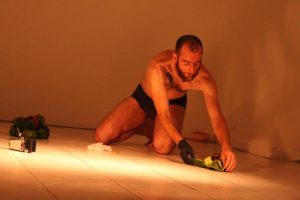
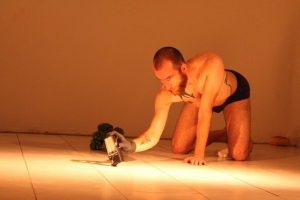
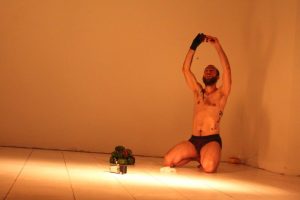
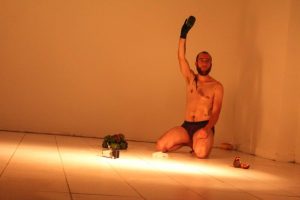
„Anti-Autobiograhical“ is a series of performance which seeks to avoid any autobiographical connections. It’s rather an institutional visual than a conceptional response to per-constructed conventions and conditions we take for granted; like rituals, collective memories or social obligations (like any kind of strange behaviors for example).
Anti-Autobiographical III is the third performance from the „Anti-Autobiographical“ series and a visual response to a strong exposed position in a shopping mall, in between other shopping windows, customized minds and expectations. It follows the question of per-constructed conventions and conditions we take for granted; like rituals, collective memories or social obligations (like eating behaviors for example).
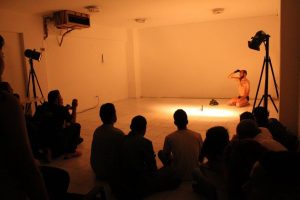
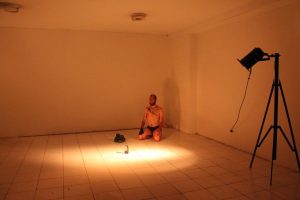
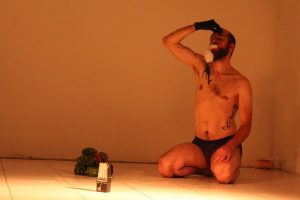
Course: I enter the space and sit down on a plinth. After few moments I start to touch my bread-head. Slowly I start to place small branches and leaves around my head and in the bread. Thereby my hands become rather a construction tool. After I finished placing the wood, I light a candle and place my right hand under the bread in front of my mouth. Slowly I push it towards the candle until it completely falls apart. Now and through the opening of my mouth, I pull out a wooden toy bird and cloud. I leave the plinth, stand in the middle of the shopping window, take of the bread-brunch head and leave the space.
There is nothing more dangerous, than your unguarded mind
[/dark_box]
[three_columns_one] [/three_columns_one]
[grey_box]
The performance „There is nothing more dangerous, than your unguarded mind“ refers to a buddistic understanding of the inside and outside of a mindful awareness of time and presence. How can a troubled mind unterstands the presence if the past becomes a blurred reflection of here and now? An untroubled mind, a present mind, is no longer seeking to consider what is right and what is wrong, a mind beyond judgments, watches objectively and understands the nature of arising and passing away.
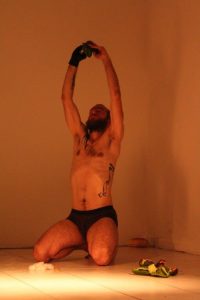
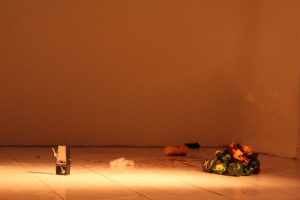
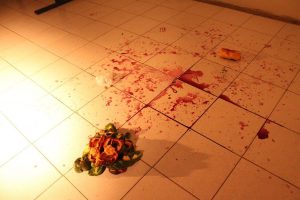
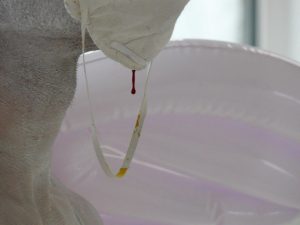
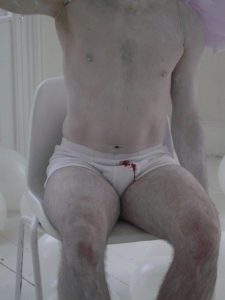
The Spanish word for remembering is „recordar“, for forgetting „olvidar“. For a non Spanish speaker, it’s a thin difference in the pronunciation, in the difference of the sound. So if they both get merged and connected in the same movement (to open), in very similar objects (colored pepper); the line between the action I took and the action I take and will take, becomes more tensile in the sense of a physical recognition (leakage of colored liquid over the body).
The consequence (colored liquid over the body) becomes the reality of the presence and shift away the difference between the past and the presence, between remembering and forgetting by connecting it to an action and fluid material.
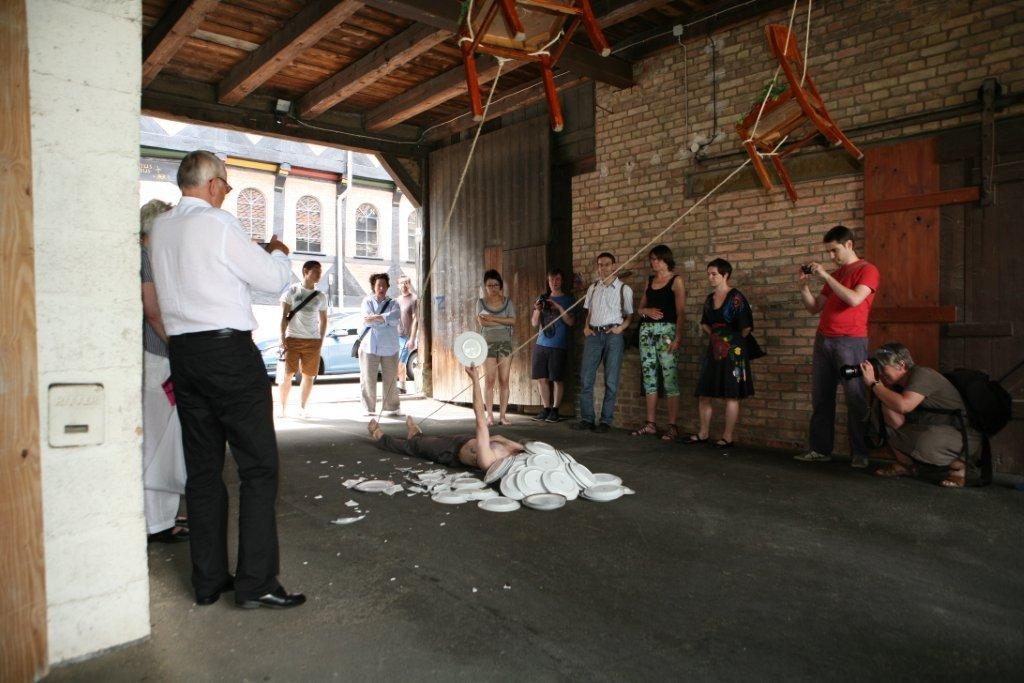
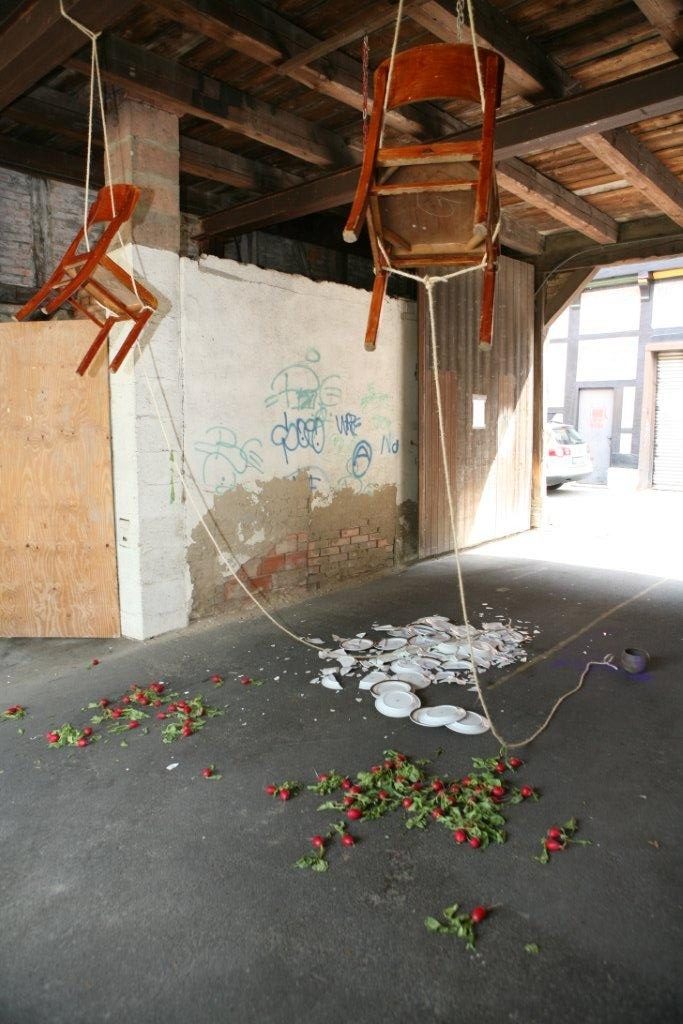
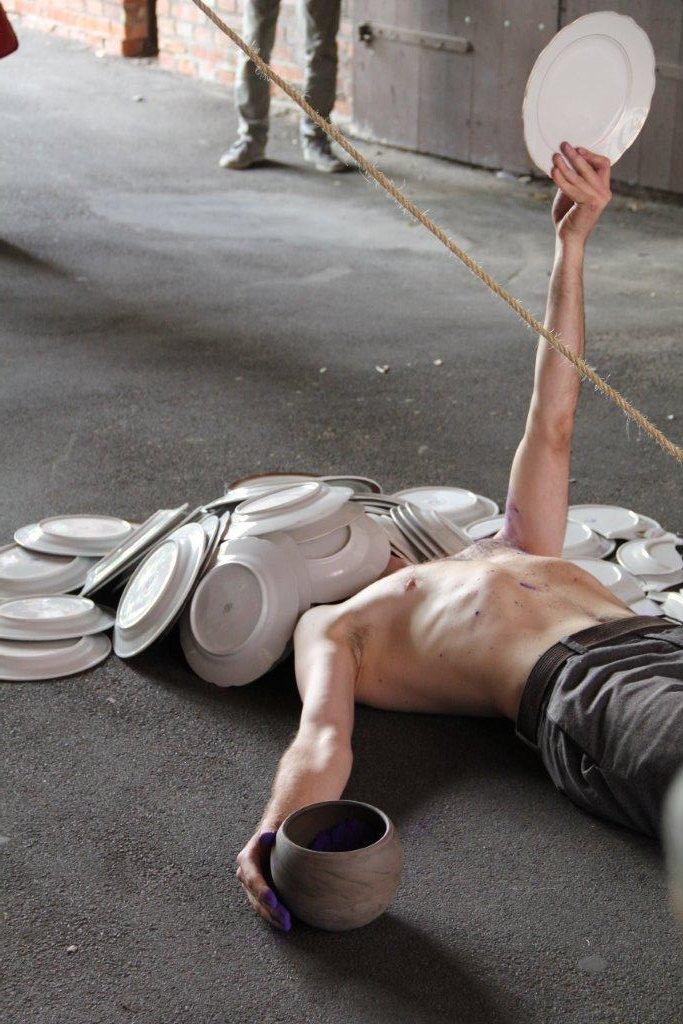
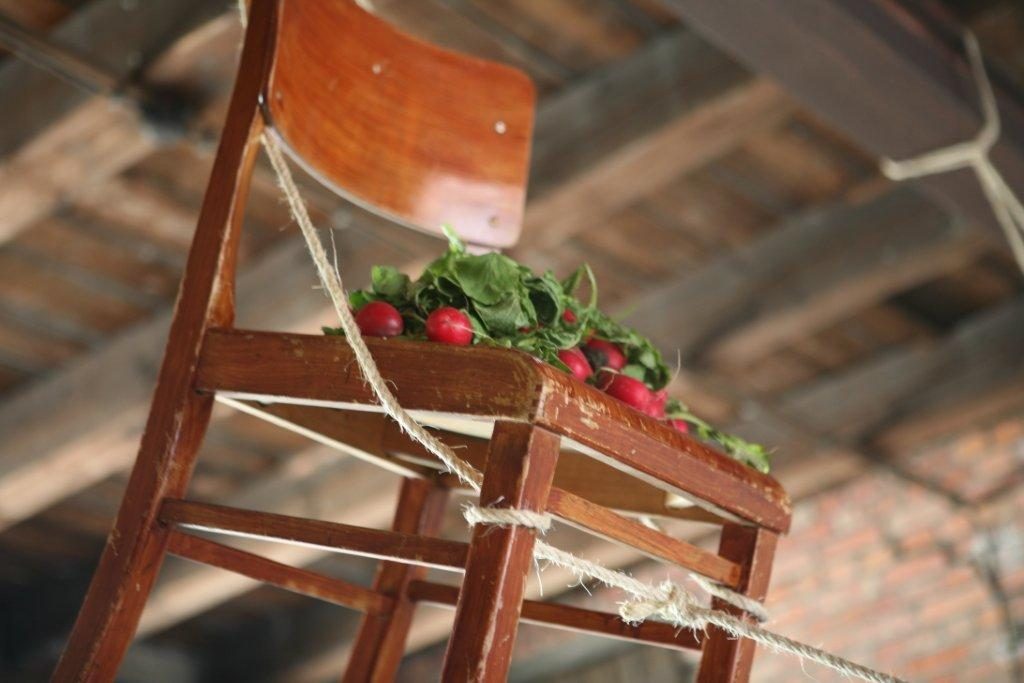
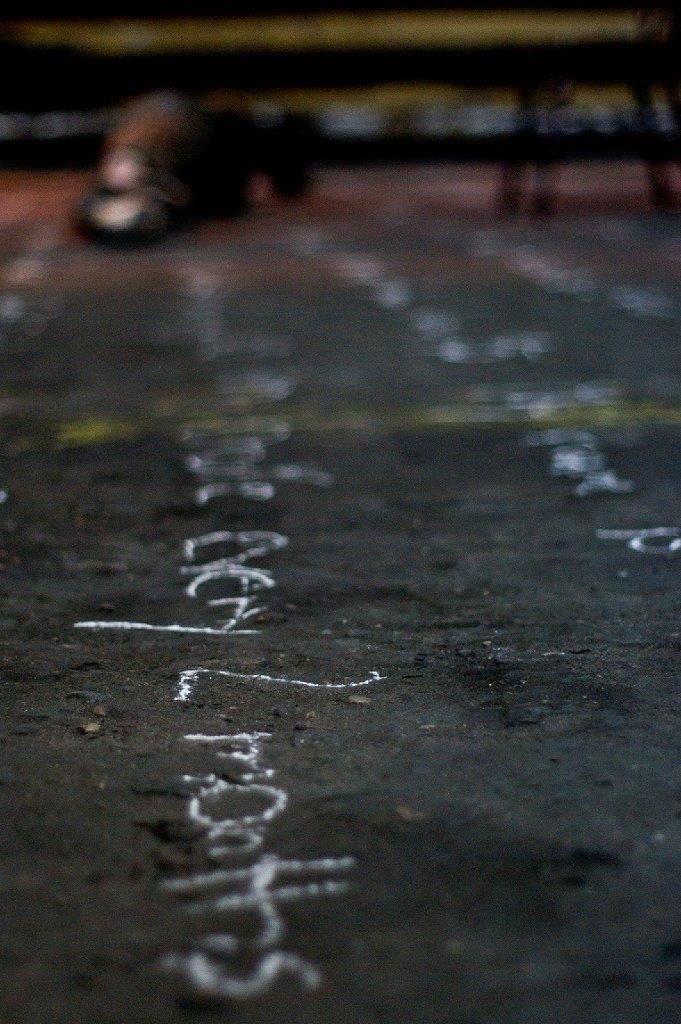
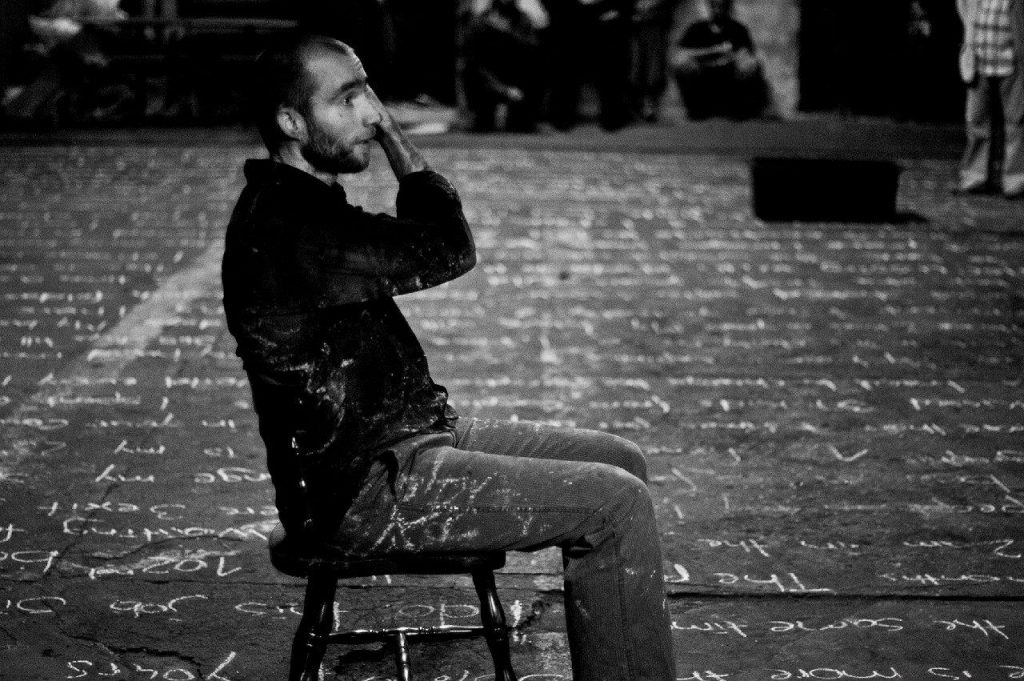
The unspoken between feet and head is part of a series which deals with the notion of signs, codes and origin of their disappearance. Recently I came across the sentence: The most abandoned place is the one without a sign, without any visibility. It was a photographer talking about about old industrial places in South France, and he said, these places are not even attractive for graffiti sprayer. So, nobody leaves a mark and stop the slow dance of disappearance. It’s quite moving. Therefore is The unspoken between feet and head a research on the notion of marking, seeing and to be seen. Here seems to be a fine border and I could imagine, the most abandoned places are directly among us and our memory.
In cooperation with the art association Wolfenbüttel, Germany 2014
I’m not an expert, but if I would guess about life in general and a deeper meaning, I would point on losing and how we have to learn it. It could be descriped as a long life excercise, because at the end, we are going to lose our life, at the end I will lose my life. So, it’s a everyday experience and challenge how to deal with objects which suddenly dissappear, like keys, socks and books; a question how to deal with people who vanish, like friends we dont understand anymore, our neighbours who move in another city or the baker after he closed his shop.
On of the strongest incident is for sure is losing a close person, a friend, a partner, a family member…and we will never be prepared for the their absence, the sudden loneliness and this immense pile of questions, sentences or words we missed to say, to ask. What is it what remains? It’s the unspoken between feet and head.
Fotos Lennart Böcker, Peter Cordes, Philipp Pohlmann
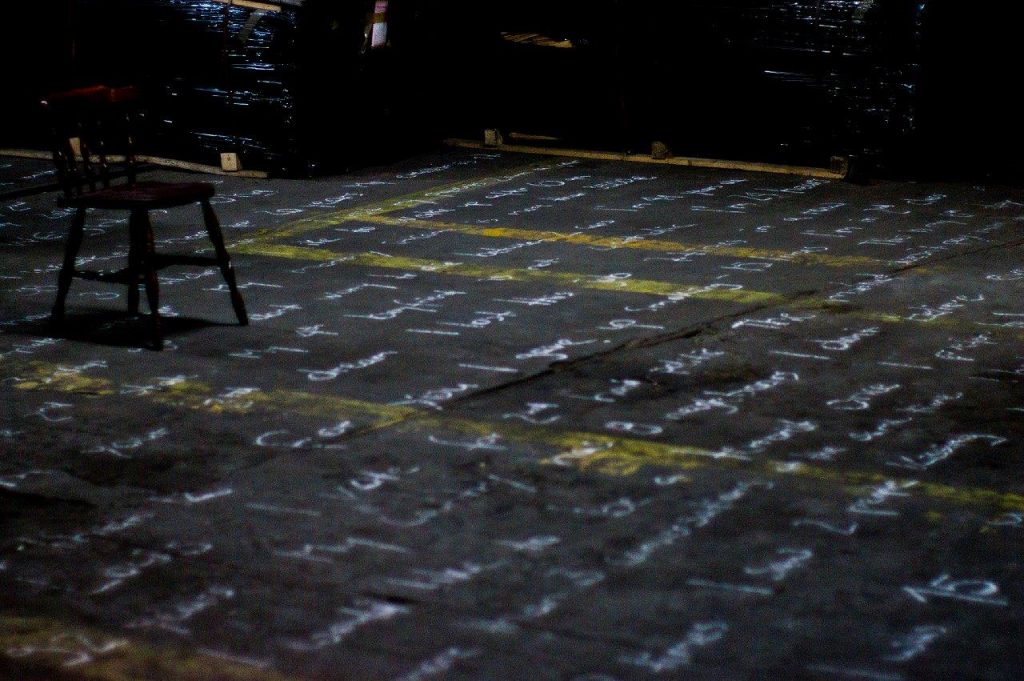
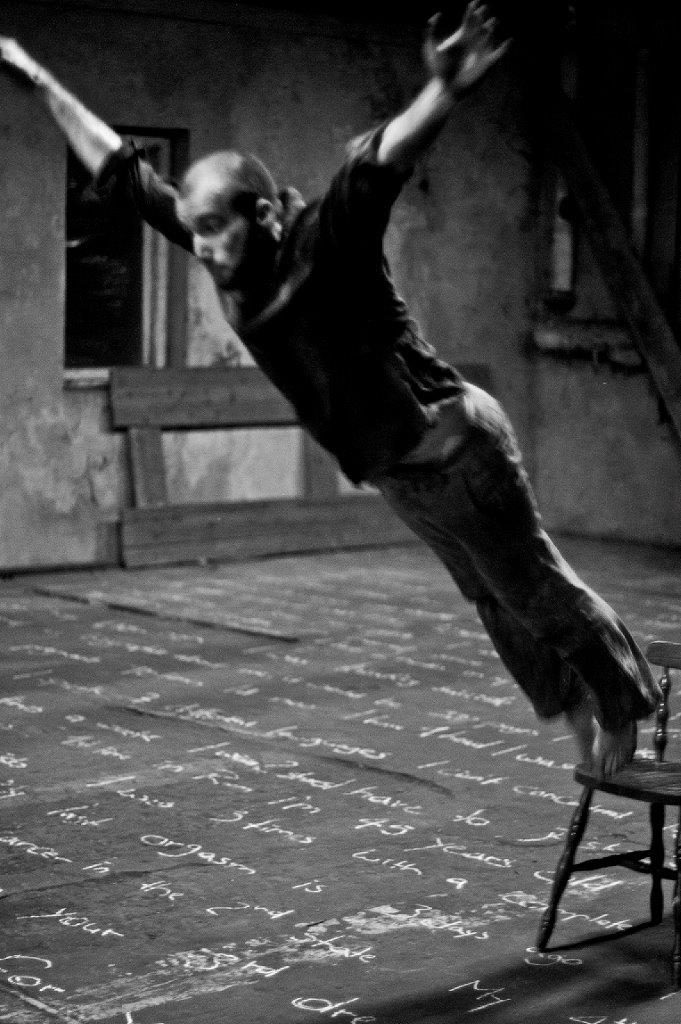
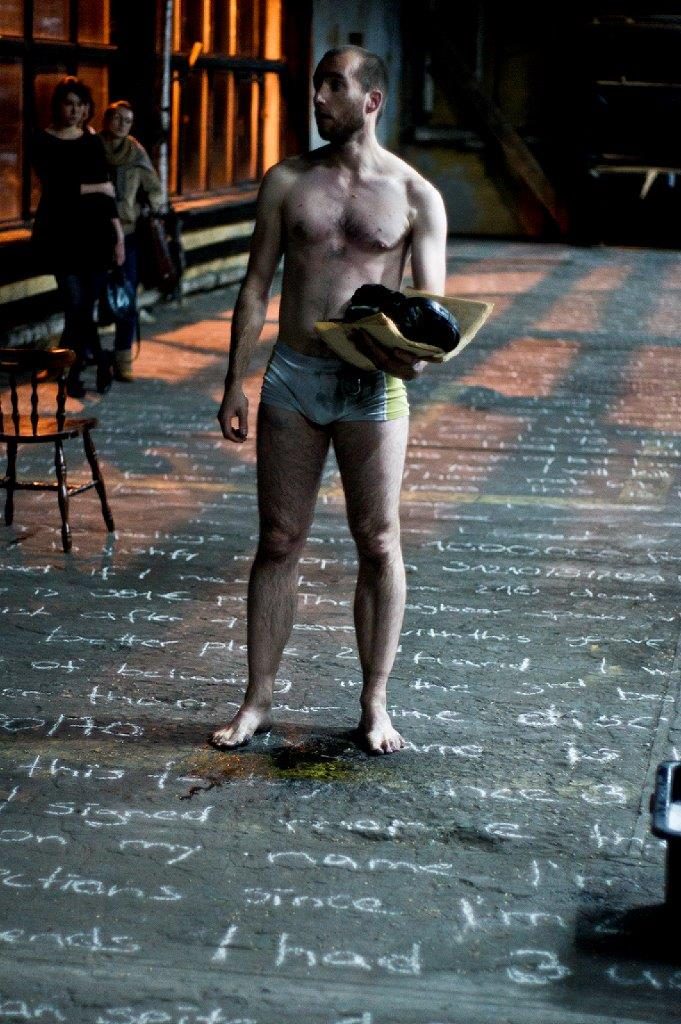
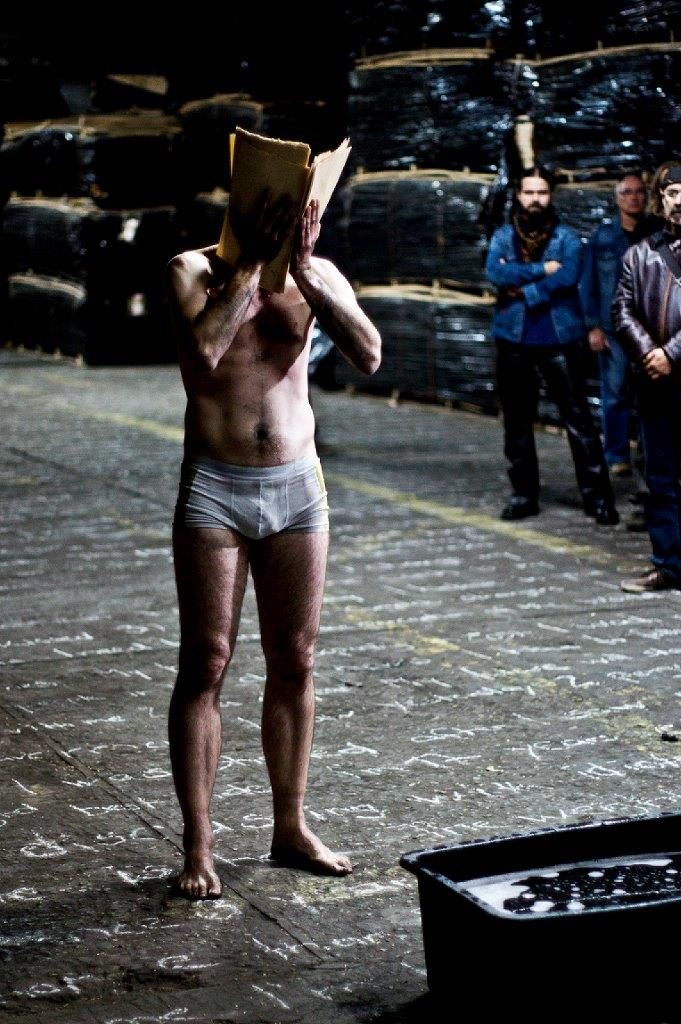
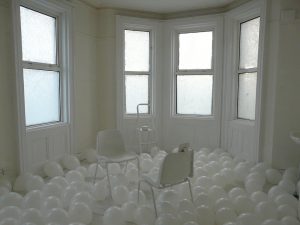
I enter the space while pulling a chair behind me. I walk through the audience and stop from time to time in front of some people. Here I sit on the chair and combine the speaking of some of these phrases on the floor with small movements, in order to locate them on my body. Afterwards I slowly slight from the chair to the floor and begin to move while lying on the ground with using typical movements like walking, swimming or rolling. This I repeat four times. After the fourth time I go to a second chair, step on it and jump to the floor. I get up again, walk to a basin with water and soup, put off my shirt and trousers (covered with the chalked writings and dirt from the floor) and wash them in the water. I take the wet clothes out and wring them out by putting them between two piles of wooden paper in shape of a book. Then I give the shirt and the trouser to an audience member and press the wet wooden paper book against my face. I stay with this image for a moment, leave the papers on the floor and go out.
The 1st VENICE INTERNATIONAL PERFORMANCE ART WEEK Hybrid Body – Poetic Body, PALAZZO BEMBO, Venice, Italy 2012
I’m already in the space, standing in a pile of feathers and with a cloud of wine glasses around my head. I hold them with stretched arms, attached with red ribbons. The floor is covered with red ribbons too which are forming the words “There will be always feathers to run for”. While the audiences enter the room, my arm muscles are gently shaking while holding. The glasses quietly bump in each other in front of my face. After a while I stretch my right arm to the right and the left to the left. My arm muscles shake a bit more and the glasses become louder while touching each other. Now I slowly start to flap my arms like a bird with wings, up and down. The sounds from the glasses become very loud. I intensify my movements until I can’t move my arms anymore. I slow down and start to lift up my right and left feet. They are both fixed to bellows with long black tubes, hidden under the feathers. With every step I pump air through the tubes in the feathers and around. Now I’m slowly speeding up the walking movements and start to flap the arms with the glasses again. I’m running on the point. After a while I slow down again and put away the glasses. I take the right and left tube from the bellows and pump them by feet in a very slow tempo. Feathers are flying out of the tubes. After few moments I put down the tubes and take of the bellows from my feet. I make a step back and take a toy humming top hidden in the feathers and place it in front of the feathers and broken pieces of glass. Finally I start it and listen to the silence and sound of the humming. I leave the space.